Why Robyn still feels cooler than everyone else
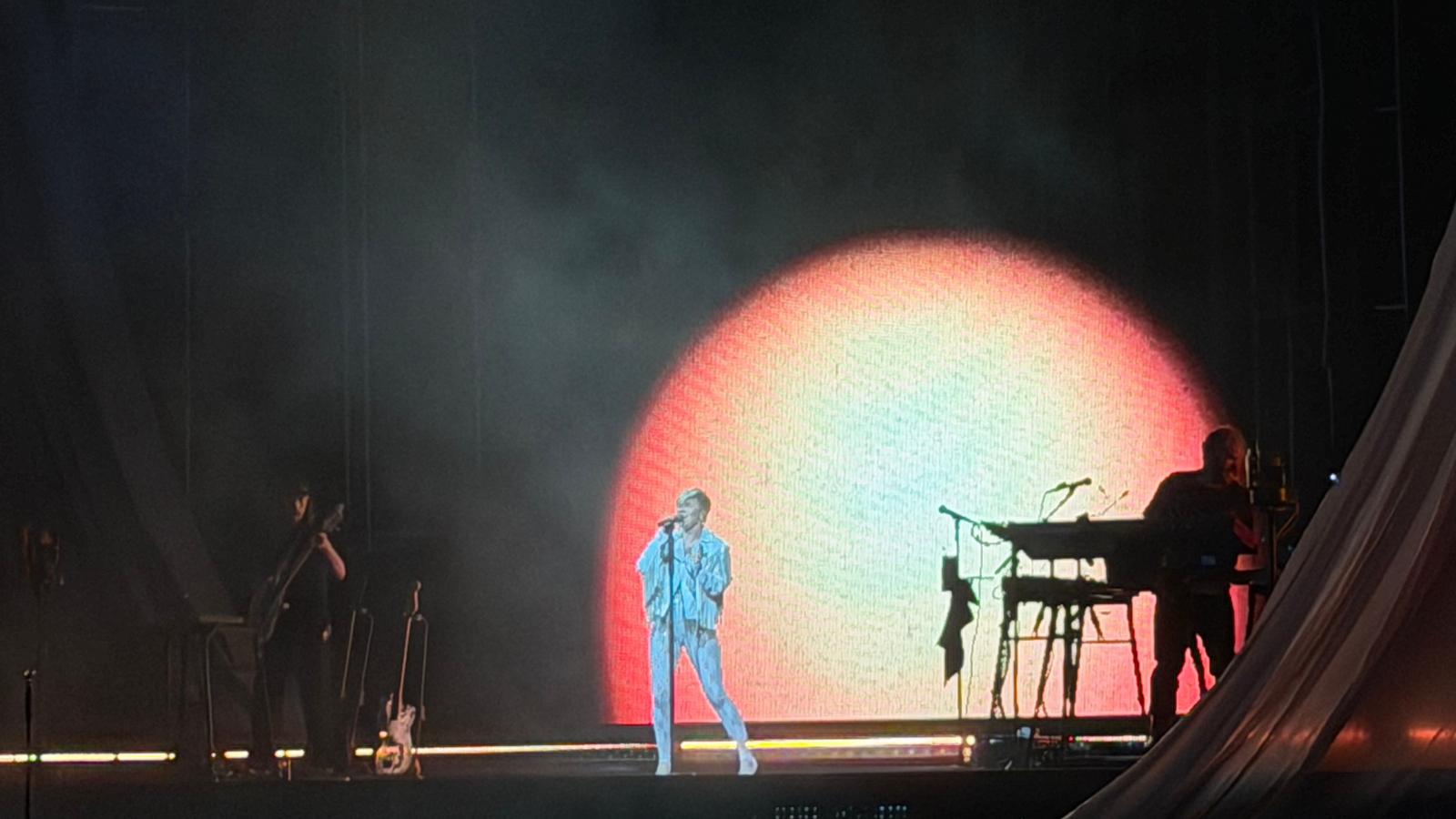
Robyn live at Scotiabank Arena, Toronto, Sept 26
A masterclass in authenticity, doing things your own way and building a brand that actually feels like you.
I went to see Robyn in Toronto this week and, obviously, it was brilliant. Thousands of us dancing to songs we’ve been dancing to in kitchens, clubs, bedrooms and questionable bars for the best part of two decades. A lot of us are older now and our pelvic floors aren’t what they were, but put on the opening bars of Dancing On My Own and apparently absolutely nothing has changed.
Except somewhere between Robyn dancing around the stage like the rest of us dance when nobody is watching, changing her outfit right there in front of everyone and setting the fireworks off halfway through the show, my marketing brain kicked in.
Because I think I realised why we still love her so much.
Robyn doesn’t seem particularly interested in playing by the rules.
She wears what she wants. She dances how she wants. She releases music when she has something she wants to release. She has disappeared for years at a time, started her own record label when the traditional industry model stopped working for her, become a mum, returned when she was ready and somehow still feels entirely like Robyn.
None of it feels especially calculated, and maybe that is exactly why her personal brand is so strong.
The OG pop princess
It is easy to forget just how long Robyn has been doing this.
Her debut album, Robyn Is Here, was recorded when she was 16, with Max Martin and Denniz Pop among the producers and songwriters involved. Do You Know (What It Takes) and Show Me Love both became US top 10 hits in 1997.
This was before Britney Spears had released …Baby One More Time, before Gaga, before social media and long before the phrase “personal brand” became something we all had to think about.
There is something especially satisfying about the Max Martin connection. Robyn was working with him right near the beginning of the extraordinary run that would eventually make him one of the most successful pop songwriters of all time. In fact, Show Me Love was one of his early American successes, before Britney came along and sent everything into another stratosphere. Now, around 30 years later, Martin is back co-writing with Robyn on Talk to Me from Sexistential.
The full-circle bit is lovely, but what happened in between is probably more important.
Robyn had already experienced the major-label version of pop stardom as a teenager and, eventually, decided it wasn’t working for her. In 2005 she created her own label, Konichiwa Records, after finding herself increasingly frustrated by other people’s ideas of what her music should sound like. At one point her label wanted something closer to Christina Aguilera. Robyn wanted to make the record she wanted to make, so she went and did that instead.
And this, I think, is where the Robyn we all know really starts to make sense.
Not somebody who decided to be different for the sake of being different, but somebody who eventually stopped trying to fit herself into somebody else’s idea of what a pop star should be.
So is this really a comeback?
Right now, there is obviously a big Robyn moment happening. Sexistential is her first album in eight years, and the accompanying tour runs through Europe, North America and Australia from June through November.
It is very easy to call it a comeback, except Robyn has had a few supposed comebacks by this point and somehow never seems to have properly gone away.
The songs certainly haven’t. Dancing On My Own has taken on a life that probably even Robyn couldn’t have predicted when it came out in 2010. It has appeared in television, films, covers, clubs, weddings and countless emotionally questionable nights out, gradually becoming something much bigger than the original release.
Then this summer Netflix came knocking.
Voicemails for Isabelle arrived in June with Dancing On My Own right at the emotional heart of the film. It isn’t tucked into the background as a quick millennial nostalgia hit either. The film opens with around five minutes of Robyn, and the song runs through the relationship between the sisters at the centre of the story before returning again at the end. Music supervisor Season Kent said the song was already written into the script when she first read it.
A song released sixteen years ago, being used to make a completely new generation of people feel something. Welcome to the party, Gen Z-ers!
That isn’t really a comeback. That is what happens when something you made becomes bigger than the moment in which you made it.
A lot of life happened in between
One of my favourite moments at the Toronto show wasn’t particularly showy at all.
Robyn stopped and spoke to us about how long it had been since she had toured, how the last time had been before the pandemic and how much had happened since. She talked about becoming a mum and thanked everyone for still being there.
And we were.
She became a mother during the long gap between Honey and Sexistential, and she has spoken publicly about becoming a single mother and about how enormously life had changed during those years.
I loved that she acknowledged it because there was no attempt to make the gap sound like some mysterious, perfectly orchestrated eight-year brand plan. She had been living. The world had changed. She had changed. She had a child. Then she made another record and went back on tour.
There is something reassuringly normal about that.
We talk so much now about staying visible, staying relevant, staying consistent and keeping up momentum that it can start to sound as though taking your foot off the accelerator for any reason means everyone will immediately forget you exist.
Robyn is perhaps an extreme example because most of us do not have Dancing On My Own sitting in our back catalogue. But still, I think there is something in it.
If people really know who you are, you don’t necessarily need to constantly remind them.
And then there’s Robyn on stage
This was actually the thing that made me start thinking about all of this in the first place.
She just feels so completely comfortable being herself.
She wears what she wants. There is nothing about her that gives the impression she has dressed according to some prescribed idea of what a 46-year-old female pop star headlining an arena should look like. The clothes are interesting and sometimes strange and sporty and sexy and practical all at once, but mostly they just look like things Robyn would wear.
And she dances like us.
Obviously, that statement needs a slight caveat because she is much better at it than me. But there is something about the way she moves that feels joyful rather than polished within an inch of its life. She isn’t standing ten feet above the audience projecting untouchable superstar perfection. She is sweating and throwing herself around and making you want to do exactly the same.
It feels less like we are all watching her have a good time and more like we are having one together.
At one point she changed her outfit on stage. Just stood there and got changed in front of everybody rather than disappearing backstage and re-emerging five minutes later as though a magical transformation had occurred.
Again, why not?
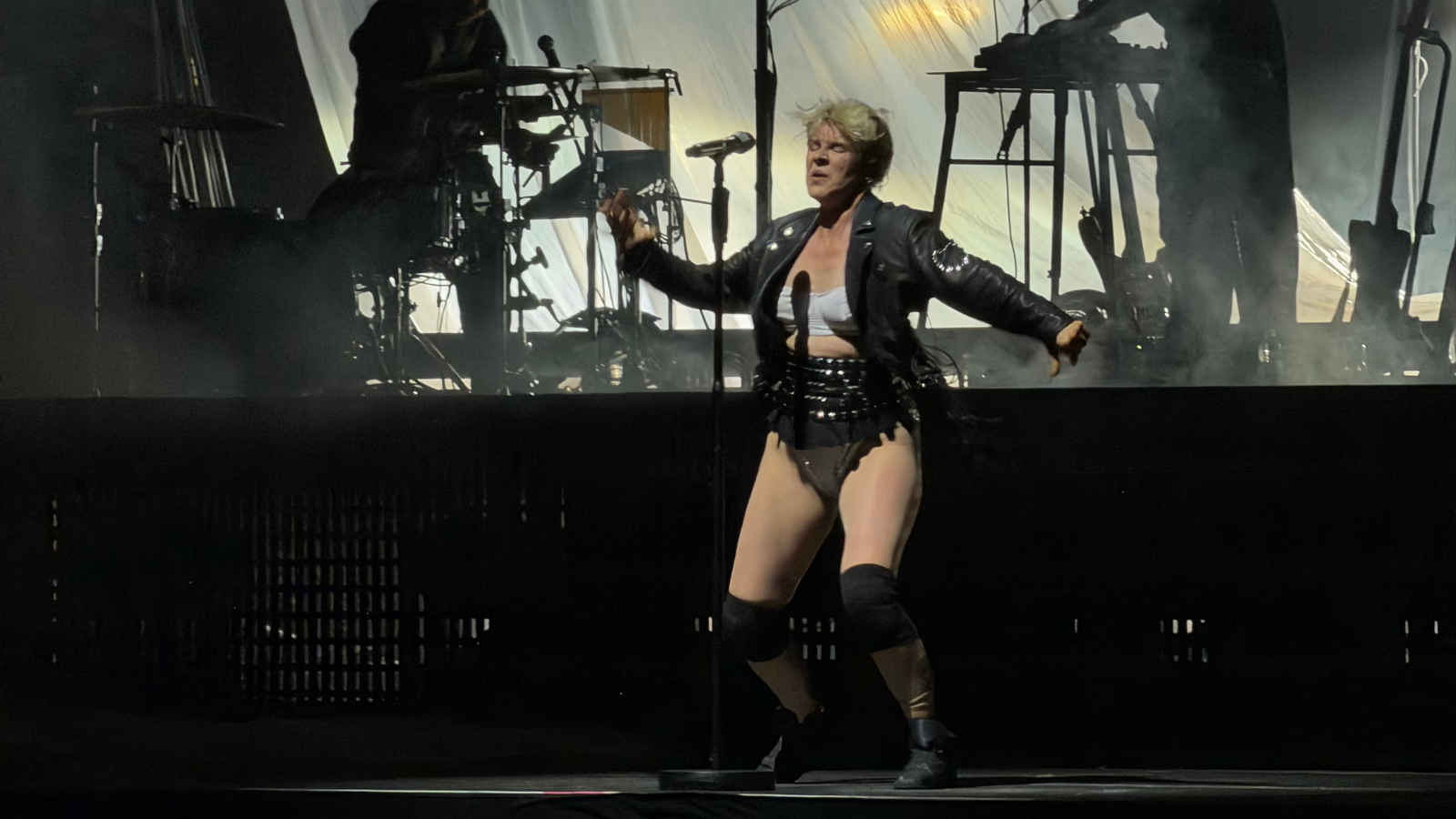
Robyn live at Scotiabank Arena, Toronto, Sept 26
Then the fireworks went off halfway through the show.
Not during the finale. Not saved for the last song because apparently that is where fireworks are supposed to go. Halfway through.
It sounds like such a tiny thing, but I loved it. There is something very Robyn about the whole idea of asking, “Why are we waiting until the end?” and then just doing it anyway.
None of these things are radical acts of rebellion. She isn’t setting fire to the rulebook every five minutes. It is almost more interesting than that.
She just doesn’t seem particularly bothered by the rules in the first place.
Maybe that’s what authenticity actually looks like
“Be authentic” has become one of those marketing phrases we have repeated so many times that it almost doesn’t mean anything anymore.
Usually it gets translated into instructions to share more personal stories, film behind the scenes content, talk to camera, show people your morning routine or generally hand over increasingly large parts of yourself to the internet in the name of building connection.
I don’t think that is authenticity. I think authenticity is much closer to alignment.
It is when your work, your choices and the way you present yourself feel like they belong to the same person. It is when you don’t have to put on your “brand personality” every morning because your brand was built around you in the first place.
That is what feels so compelling about Robyn.
Of course, none of us actually know her. We are still watching a performer, and an arena tour is an enormous, meticulously planned production. But there is very little friction between what she appears to value, the music she makes, the clothes she wears, the way she performs and the choices she has made throughout her career.
It all seems to belong together.
Even her refusal to play by the rules feels less like rebellion and more like alignment. She created her own label because the existing system wasn’t allowing her to make the music she wanted to make. She takes long gaps because apparently that is the pace at which her life and work happen. She changes her outfit in front of everybody because why pretend otherwise? She fires the fireworks halfway through because they work halfway through.
There is no grand “look how authentic I am” announcement.
She just feels like herself.
Your personal brand should give you more room to be yourself
This is the bit I think is relevant to the rest of us.
We often approach personal branding by asking what other people will respond to. What should I post? What should I wear? What should my thing be? Which parts of my personality should I amplify? Which platform should I be on? What is working for everybody else?
Some of those are perfectly sensible marketing questions. But if you keep answering them purely by looking outwards, you can very quickly build a brand that performs brilliantly on paper and feels absolutely exhausting to live inside.
A good brand should do the opposite.
It should be in alignment with you. It should make it easier for the right people to understand who you are, while still giving you room to change your mind, evolve, have a child, take a break, want different things, get older, dress differently, make something unexpected or simply decide you no longer enjoy doing something a certain way.
That doesn’t mean there are no rules or strategy. It means the strategy is built around the person rather than asking the person to twist themselves around the strategy.
Robyn has changed enormously since she was the 16-year-old making records with Max Martin. Of course she has. But I don’t think we experience those changes as a succession of carefully manufactured new identities. The through-line is much stronger than that.
She still feels like Robyn.
Which is probably why she still feels so cool
I went into that arena already loving Robyn. I came out thinking about why we all seem to love her quite this much, particularly right now.
And I don’t think it is because she has perfected the art of staying relevant.
I think it is because she doesn’t seem to be chasing relevance at all.
For 30 years she has been making choices that appear to suit her: creatively, visually, personally and professionally. Sometimes those choices have fitted perfectly with what the music industry expected from her, and sometimes they very clearly haven’t.
The result is a career that feels totally hers.
Maybe that is the personal brand lesson in all of this. The aim isn’t to create a version of yourself that other people will find interesting. It is to be clear enough about who you are that the right people can recognise you, connect with you and come along for the ride.
Build the brand in alignment with you. Let it evolve when you evolve. Don’t assume you have to do something simply because everybody else does it that way.
And if you want the fireworks halfway through, put the fireworks halfway through.
Why wait til the end for the good stuff?!

Robyn live at Scotiabank Arena, Toronto, Sept 26